
A trench coat can look perfect on a dry sidewalk and still leave you with a wet shirt after a short walk from the car. Another coat may look like winter outerwear but feel too thin to keep its shape or leave no room for a sweater underneath. These problems are easy to miss when shopping from photos because words such as "waterproof," "wool," "winter," and "classic" do not tell you how the coat will perform once you wear it.
The better approach is to check what the coat is actually made to handle. Look at how the outer fabric reacts to water, how substantial the fabric feels, what percentage of the material is really wool, and whether the fit leaves enough room for another layer. These details can tell you whether a coat is suited to light rain, changing weather, or colder days—or whether its appearance promises more than the garment can deliver.
Water-Resistant vs. Waterproof Outerwear: What Actually Holds Up in Daily Rain
A trench coat can look perfectly convincing on a dry sidewalk and still leave you walking into the office with a wet shirt underneath. That distinction matters most during the kind of short drizzle that seems harmless enough for a quick walk from the car.
One reported jacket failure turned exactly that assumption upside down: brief exposure to rain was enough for water to pass through the outer layer and soak the clothing underneath. The problem was not a long storm or an all-day downpour—it happened during an ordinary business-to-car walk.
The anonymized case OFH-AUDIT-P04U is a useful reminder that "waterproof" on a product page should not automatically be treated as proof of real rain protection. The same garment also had zipper and sizing complaints, but the rain failure is the part that matters when weather resistance is one of the reasons you bought it.
💧 Pour a Little Water Before You Trust the Label
If you already own the coat, place a few drops of water on an inconspicuous area of the outer fabric and watch what happens. A water-repellent surface should make the drops sit up or roll away rather than immediately spreading into the fabric.
That simple observation does not prove that a coat is fully waterproof, but it can reveal whether the outer surface is readily absorbing rain instead of shedding it.
For a trench intended for regular wet-weather use, the details behind the claim matter. A DWR finish helps water bead on the fabric, while a storm flap can help redirect rain away from openings around the front closure.
Those features do different jobs, and neither should be confused with a guarantee that every part of the garment will remain dry in prolonged rain. The difference is especially important when a product uses broad wording such as "rainproof" or "water-resistant" without clearly explaining how the garment handles actual exposure.
For everyday drizzle, the practical takeaway is simple: look beyond the weather-related marketing phrase and check what is actually built into the coat. A garment that lets water through during a short walk may not deliver the level of protection its description leads you to expect.
Why Fabric Weight Around 280 GSM Matters for Trench Coat Structure and Wind Resistance
A gabardine trench coat is not defined by its name alone. The amount of fabric used matters because a very thin coat can lose the firm shape people expect from a trench and offer little resistance when wind picks up.
One reported coat illustrates the problem clearly: the fabric was described as extremely thin and lightweight, about as substantial as a folded hoodie. The coat lacked the body expected from outerwear, while the collar looked disproportionately small and the overall garment felt more like a lightweight fashion layer than a substantial coat.
That is where fabric weight becomes a useful buying clue.
A commonly cited quality threshold for a durable trench is 100% cotton gabardine at around 280 GSM or higher. In simple terms, GSM tells you how much the fabric weighs over a given area. A higher number does not automatically make a coat better, but it can help distinguish a substantial fabric from one that feels noticeably thin and flimsy.
The difference is easy to understand when you think about how the coat hangs. Heavier gabardine is more likely to hold the clean, controlled shape associated with a classic trench, while very lightweight fabric can collapse more easily instead of maintaining that tailored appearance.
The same standard also points to 280+ thread count as part of the quality specification described for this type of coat. That gives shoppers another detail to look for when a product page provides unusually little information about its fabric.
For wind protection, the practical lesson is not that 280 GSM makes a trench automatically windproof. Rather, a coat that is dramatically thinner than the expected fabric range may struggle to provide the firm feel and substantial coverage shoppers associate with a dependable trench.
When comparing a gabardine trench coat, checking the fabric weight can therefore tell you much more than simply reading "lightweight" or "classic" in the description.
Spotting the Difference Between Real Wool Blends and Thin Synthetic Felt
A coat can be sold as a warm winter wool coat and still arrive feeling more like a stiff piece of cheap felt. That gap becomes especially frustrating when you bought it expecting a layer that could handle cold weather rather than simply look like one.
One reported coat was marketed with the impression of a wool winter garment, yet its listed composition contained only 10% wool. Another went further: the label described the material as wool, while the reported composition was 100% polyester. In both cases, the problem is not whether synthetic fabric can ever make a useful coat; it is whether the material matches what the shopper was led to expect.
The difference also shows up in the hand. One of these coats was described as extremely thin and lacking the body expected from winter outerwear, while another was reported as stiff rather than having the feel and drape associated with wool.
🧶 Turn the Label Over Before You Buy
Before purchasing, look past phrases such as "wool look," "wool coat," or "winter coat" and find the actual fiber percentages. A genuine wool blend should clearly state its wool content; the quality benchmark supplied for this guide is 30% or more wool, rather than treating a tiny wool percentage as equivalent to a substantial blend.
For higher-end wool, the cited benchmark is 18.5-micron Merino wool. The underlying idea is straightforward: wool can hold moisture while helping retain warmth, giving the fabric a very different feel from a thin synthetic layer.
Care instructions matter too. Wool should not be put in a dryer because heat can cause substantial shrinkage and make the fibers felt together; the supplied guidance puts potential shrinkage at up to 15%.
So when a wool coat is meant for cold-weather use, check the actual fiber percentage, not the headline. If the label tells a very different story from the product description, or the coat feels unusually thin and stiff in your hands, that particular garment deserves a more cautious look.
Choosing Between Lightweight Transitional Shells and Lined Cold-Weather Coats
A water resistant trench coat is not automatically a winter coat. The right choice depends on whether you need a light outer layer for shifting temperatures or enough room and coverage for colder days when another layer has to go underneath.
One reported coat shows what happens when those two jobs get blurred. Its fabric was described as extremely thin, while the wearer also found the XL fit too restrictive for adding another warm layer underneath. The result is a coat that may look like winter outerwear but leaves little practical room for winter layering.
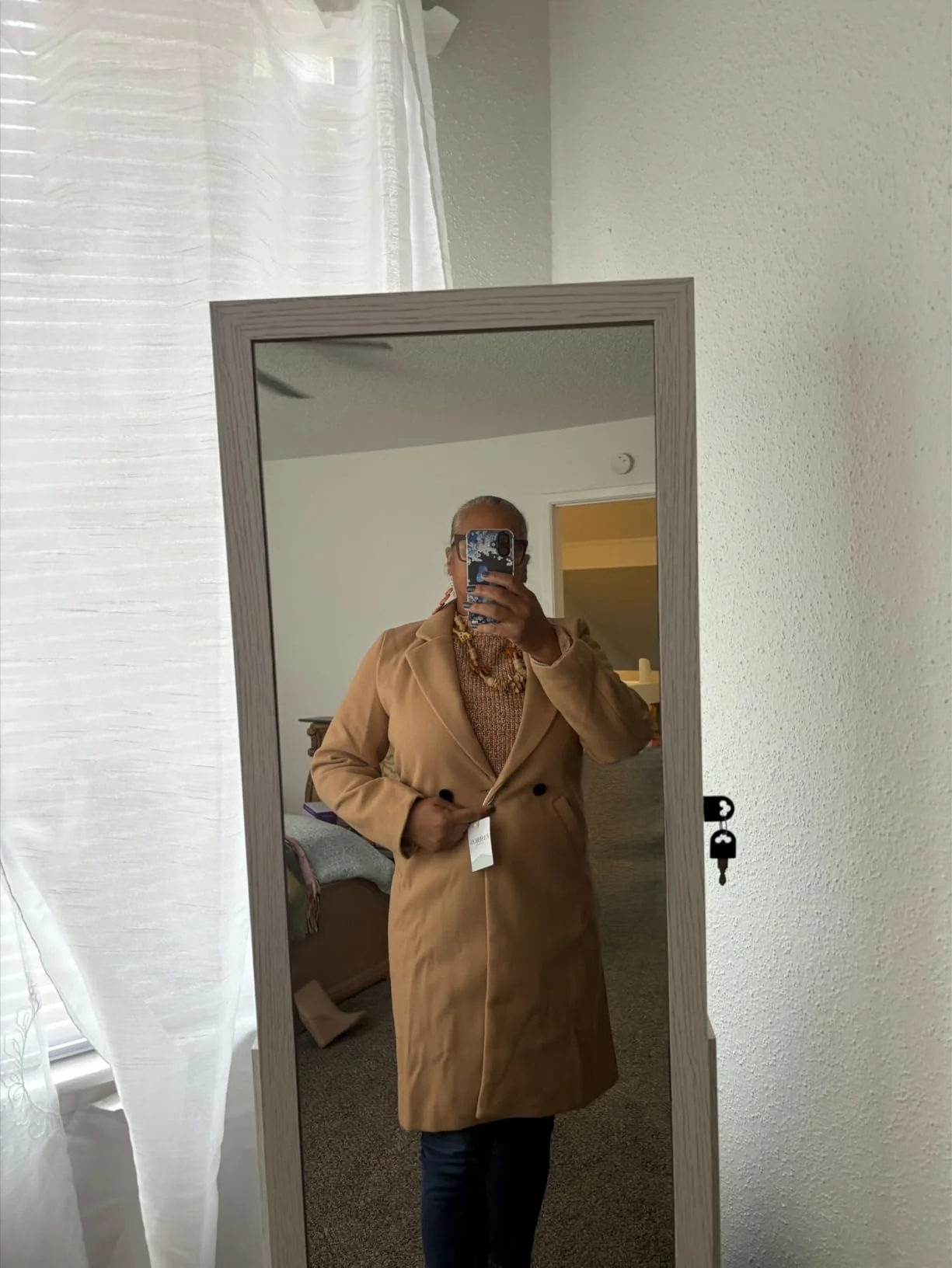
For a light trench coat, that slimmer construction can make sense during milder spring and fall weather. You may want less bulk, easier movement, and enough space for a shirt or lightweight sweater rather than a full cold-weather setup.
A winter trench coat has a different job. In a rainy, cooler climate, the coat needs enough room for the clothing underneath, particularly when temperatures change throughout the day. A removable lining can make that transition easier by allowing the same coat to work across more than one season.
The important distinction is that thin does not automatically mean versatile. If the coat is too restrictive to accommodate another layer, its low weight can become a limitation rather than an advantage.
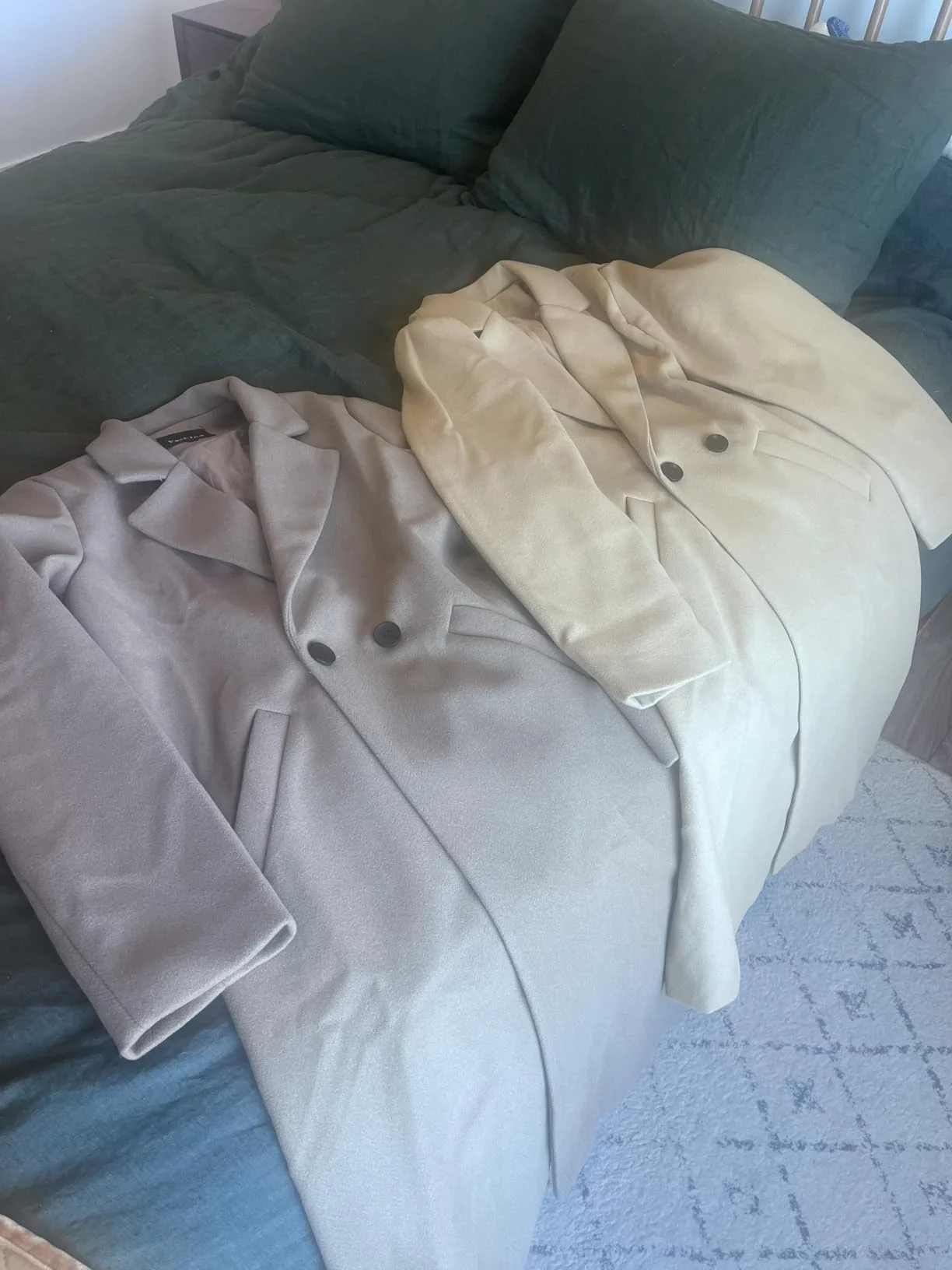
When comparing coats, look at the space available around the shoulders, chest, and arms—not just the size printed on the tag. A coat intended for colder weather should leave enough practical room to add warmth without making the outer layer pull or preventing comfortable movement.
For shoppers in wet, changeable climates, the most useful design is often the one that can adapt: a lighter shell for mild days, or a lined/removable-layer option when temperatures drop. This avoids expecting one thin coat to perform every job from fall drizzle to cold winter mornings.
CONCLUSION
A dependable trench coat does not need to be the heaviest or most expensive option. It needs to match the weather and the way you plan to wear it. For rain, look beyond broad claims such as "water-resistant" and check for practical details such as a water-repellent finish and a storm flap. A quick water test on an existing coat can also show whether the outer surface readily absorbs moisture.
For a classic gabardine trench, fabric weight is another useful clue. Around 280 GSM or higher is a helpful benchmark for a substantial cotton gabardine, although fabric weight alone does not guarantee wind protection or overall quality. If warmth is the goal, check the actual wool percentage rather than relying on the word "wool" in the product name.
Finally, think about layering before choosing a size. A coat that looks warm but cannot fit a sweater comfortably may not work well in colder weather. The best choice is the coat whose materials, construction, and fit match the conditions you actually face.
THE ULTIMATE BUYING VERDICT
| Verdict | Key Consideration | Recommendation |
|---|---|---|
| 🔴 Significant concerns | Coats that let rain through during brief exposure, use very thin fabric, or claim wool while containing little or no wool can fall short of their intended use. | Be cautious when the material or weather-protection claims do not match what the coat is designed to handle. |
| 🟡 Acceptable with limitations | Lightweight trench coats can work well for mild spring or fall weather, while thinner fabrics may be less suitable for strong wind, cold weather, or winter layering. | Choose a lightweight shell when low bulk and mild-weather use are the priority, but do not expect one thin coat to handle every season. |
| 🟢 Meets long-term expectations | A substantial gabardine fabric, clearly stated wool content when warmth is needed, useful rain features, and enough room for comfortable layering are all desirable qualities. | Match the fabric, weather protection, and fit to your actual conditions rather than relying on the coat's marketing description alone. |