
A cardigan can look soft, neat, and perfectly wearable when you first try it on, then start coming apart in places you barely think to check. A side seam may open after a few wears. A button may come loose in the wash. A pocket may tear even when you never put anything in it. In other cases, loose yarn around the sleeve or shoulder can begin to unravel after laundering.
These problems are frustrating because many of them can be spotted while the cardigan is still new. Before removing the tags or closing the return window, look beyond the color and overall fit. Check the seams that move with your body, the buttons that hold the front together, the yarn at major joins, and the pocket corners that are supposed to stay attached. A few minutes of inspection can reveal a lot about how the cardigan may hold up over time.
How to Check Side Seam Stitching to Prevent 12-Inch Splits and Armhole Tears
A cardigan can look perfectly fine on the hanger and still come apart at the seams after a few ordinary wears. One reported case, OFH-AUDIT-FL4Z, developed a 12-inch opening along the side seam after only six light wears. The same garment also developed a hole near the neckline after just two wears, without being washed.
Another case, OFH-AUDIT-L4GS, had an even more basic failure: an entire sleeve had not been sewn closed when the cardigan arrived. That is not wear and tear. It is the kind of assembly problem that should have been caught before packing.
The practical takeaway is simple: do not judge a cardigan's durability by the knit alone—check the seams that are actually holding the garment together.
🧵 Gently Pull the Side Seam Before You Commit
Hold the cardigan near a side seam and give the fabric on both sides a gentle, even tug. Then repeat around the armhole, where movement puts the seam under constant stress.
Look for gaps, loose thread loops, skipped sections, or stitches that visibly separate when the fabric stretches. A well-finished seam should move with the knit without opening up and revealing daylight.
Also run your fingers along the seam from underarm to hem. If one section feels noticeably thinner, uneven, or loosely joined, that weak spot can turn into a much larger opening once the cardigan starts moving with your body.
Pay extra attention to the underarm and sleeve join. Those areas get pulled when you reach, drive, carry a bag, or simply go through a normal day. A small opening there rarely improves with more wear.
A cardigan does not need to survive a strength contest in your hands. But if a light stretch already makes the stitching pull apart, your next six wears may become an expensive experiment in how long the seam holds. The reported failures in OFH-AUDIT-FL4Z and OFH-AUDIT-L4GS are a good reminder to treat visible seam weakness as a reason for caution before the return window disappears.
Loose Yarn Pull-Out and Fraying After Washing: What Unraveling Knits Tell You About Quality
A knit does not need a rough washing cycle to reveal loose construction. In one reported case, OFH-AUDIT-L4GS, the sleeve-to-shoulder area produced 21 loose yarn ends after the first wash. In another, OFH-AUDIT-L4HF, multiple loose crochet strands were reported before the garment began unraveling after washing.
That kind of failure matters because a loose strand is not always just a cosmetic nuisance. One end can catch, pull free, and leave the surrounding knit looking progressively more ragged. On a cardigan with decorative or open stitching, the damage can spread quickly enough to turn one messy area into a garment you no longer want to wear.
🧶 Look Closely at the Sleeve and Shoulder Joins
Before washing, turn the cardigan slightly and inspect the points where knitted sections meet. Gently separate the fabric with your fingers and look for multiple free yarn ends, long loops, strands that slide when touched, or thread tails hanging from the join.
Then check the inside as well as the outside. A single short tail may simply be part of the finishing process, but several loose ends clustered around one seam deserve attention.
Do not start pulling them to see how much comes out. A better check is to lightly brush the area with your fingertips and watch whether additional yarn slips free or the surrounding stitches begin to open.
The case of OFH-AUDIT-L4GS is especially telling because the loose strands appeared at the sleeve-shoulder junction after the first wash. OFH-AUDIT-L4HF shows the same concern from another direction: loose crochet strands were followed by broader unraveling after laundering.
For a premium knit, a wash should not feel like the beginning of a countdown. If the garment already has loose, unsecured-looking yarn around key joins, take photos before washing and keep an eye on the return window—because once a pull starts traveling across the fabric, the repair may become much more involved than the loose thread initially looked.
Why Buttons Fall Off Cardigans in the Wash or Pop Loose After a Few Hours of Wear
A button-up cardigan is only as reliable as the buttons holding its front together. One reported case, OFH-AUDIT-L4GS, lost buttons in the first wash, while another button reportedly came loose after just two hours of wear. OFH-AUDIT-FL4Z arrived with a button already missing.
That creates a particularly annoying kind of failure: the cardigan may look completely finished when you put it on, then leave you holding a loose button while the front opening starts to gap. A missing button can also throw off the whole line of the cardigan, making the closure sit unevenly instead of lying flat.
🔘 Tug the Button, Not the Whole Cardigan
Hold the fabric around each button and move the button gently with your fingers. It should stay firmly in place without rocking excessively or revealing long, loose threads at the base.
Check the inside too. If the stitching looks sparse, messy, or already has loose ends, take that seriously. Buttons along the front opening are pulled every time you fasten, unfasten, sit down, reach, or simply wear the cardigan through a normal day.
For both button-up cardigan and button-down cardigan styles, check whether the front placket also stays even when several buttons are fastened. If one button sits loose while the surrounding fabric pulls, the closure can start looking crooked before the button actually falls off.
You do not need to pull hard enough to damage the garment yourself. A light wiggle is enough to spot obvious looseness. The goal is to find a button that already behaves like it is halfway out the door.
The failures reported in OFH-AUDIT-L4GS and OFH-AUDIT-FL4Z suggest that buyers should not treat a loose or missing button as a trivial finishing flaw. If one button is already failing at arrival, after a wash, or within a few hours of wear, the rest of the front closure deserves a closer look before the return window closes.
When Pockets Tear or Develop Holes Within Weeks: Key Stitching Details to Look For
A pocket should not fall apart when it is carrying nothing heavier than air. Yet one reported case, OFH-AUDIT-8B78, had pockets completely come apart within three weeks—even though the user said they had not been carrying anything in them. The same cardigan reportedly had three holes in the back from the first wear.
Another case, OFH-AUDIT-T5TX, showed multiple yarn snags already built into the garment. That matters because a decorative pocket cannot compensate for a cardigan whose fabric already contains weak-looking areas before regular use even begins.
🧵 Press Around the Pocket Corners Before Wearing
Lay the cardigan flat and look closely at the upper corners and lower edges of each pocket. These are the points most likely to pull away when your hands go in and out.
Use your fingers to gently press the pocket against the body of the cardigan, then lift the edge slightly. Watch for loose loops, long yarn ends, thin-looking attachment points, or sections where the pocket already separates from the garment.
Do the same check from the inside. The attachment area should look finished rather than like the pocket was simply placed on the surface with a few weak rows of stitching.
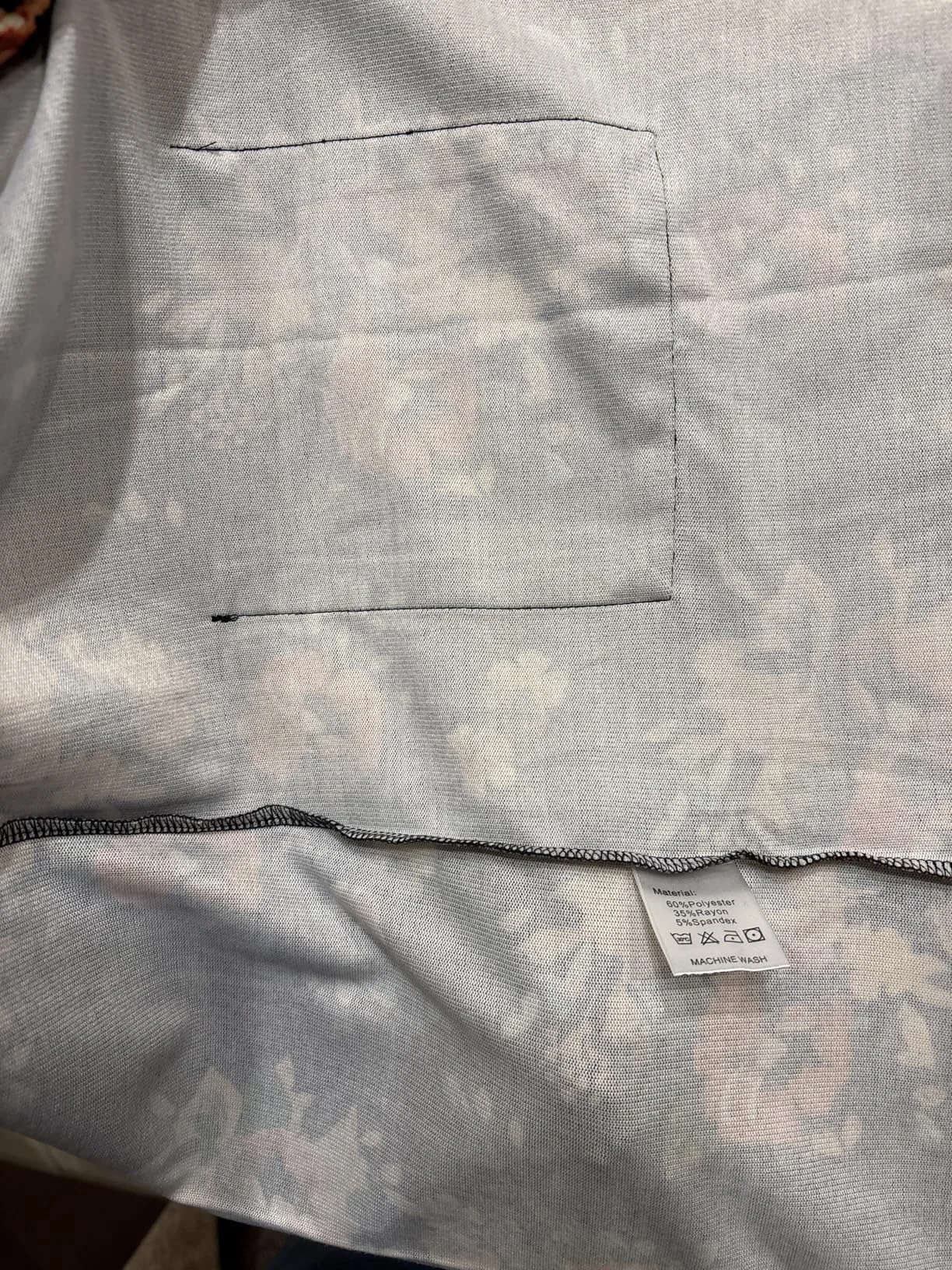
Also scan the surrounding knit for snags, holes, or pulled yarn before you remove the tags. A pocket problem is frustrating enough; discovering hidden holes elsewhere means you may be dealing with more than one isolated flaw.
The failure reported in OFH-AUDIT-8B78 is especially hard to dismiss because the pocket reportedly broke down without being used to carry anything. That makes it worth checking the attachment points before treating a cardigan pocket as functional storage.
If a light lift already makes the edge open or exposes loose yarn, the pocket may be decoration rather than something built for everyday use. The reported problems in OFH-AUDIT-8B78 and OFH-AUDIT-T5TX are a good reason to examine these details while the garment is still new and the return window is open.
CONCLUSION
When buying a cardigan, do not judge durability by the knit alone. The details holding the garment together deserve just as much attention. Gently check the side seams and armholes for gaps or loose stitches. Look closely at sleeve and shoulder joins for unsecured yarn. Wiggle each button lightly instead of assuming it is firmly attached, and inspect pocket corners before using them.
These checks do not guarantee that a cardigan will last forever, but they can help you spot obvious weaknesses before regular wear or washing makes them worse. Pay special attention to any area that already separates, exposes loose yarn, or feels uneven when touched. If the cardigan shows several small problems while it is still new, it is worth treating them as connected quality concerns rather than waiting to see what fails next.
THE ULTIMATE BUYING VERDICT
| Verdict | Key Consideration | Recommendation |
|---|---|---|
| 🔴 Significant concerns | Side seams that open under a light stretch, sleeves that are not fully sewn, loose yarn that begins unraveling, missing or loose buttons, and pockets that separate from the cardigan. | Avoid relying on the cardigan for regular wear if these problems are already visible. Inspect it carefully and use the return window if major weaknesses appear. |
| 🟡 Acceptable with limitations | A cardigan with only minor loose ends or small finishing concerns may still be wearable if the main seams, buttons, and pocket attachments remain secure. | Check the weak-looking area before washing and wear it carefully. Do not pull loose yarn or assume a small problem will stay small. |
| 🟢 Meets long-term expectations | Secure seams that move without opening, clean sleeve and shoulder joins, firmly attached buttons, and pockets that stay connected without loose-looking attachment points. | Look for consistent stitching and well-secured details before buying. A cardigan should feel properly finished in the areas that handle regular movement and everyday use. |