A new pair of lounge pants can look fine when it comes out of the package, only to disappoint after the first real test: sitting down, stretching, washing, or wearing it for a full day. One pair may split at the inner-leg seam. Another may shrink from full length to capri length after one wash. Buttons can loosen during early wear, while a soft-looking knit may snag easily and leave the waistband twisted inside the fabric.
These problems matter because lounge pants are meant to handle ordinary, repeated movement. Buyers should not have to treat basic sitting, washing, or changing positions as a durability test. Before buying, it helps to look beyond softness and appearance and pay closer attention to the areas most likely to fail first.
Why Crotch and Leg Seams Split After Minimal Wear
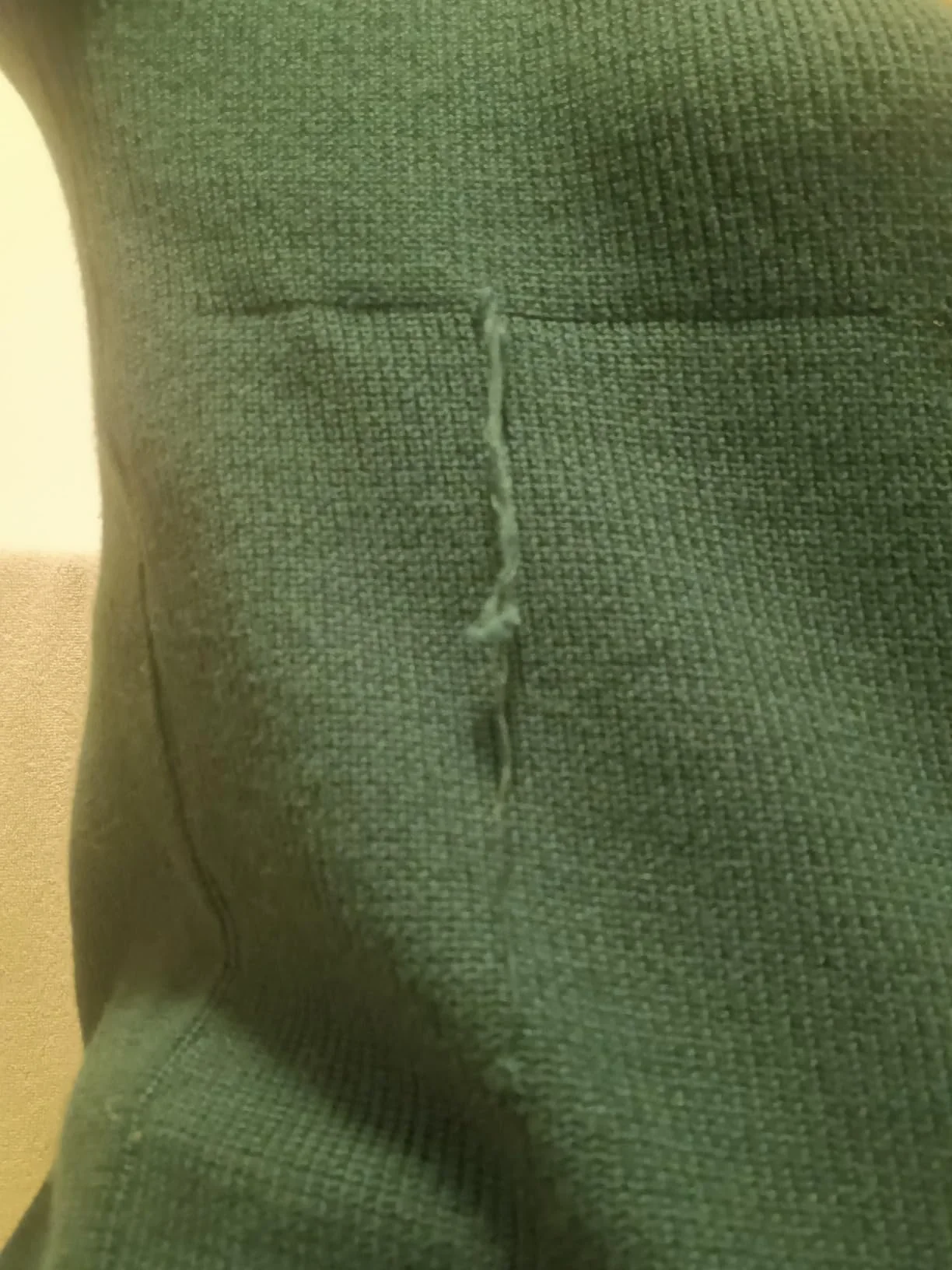
A pair of lounge pants should survive more than a few hours of sitting on the couch. Yet that is exactly where some buyers hit the wall: the inner-leg seams give way, the rear opens up, and a small loose thread turns into a hole big enough to retire the pants immediately.
One documented case, OFH-AUDIT-PXRS, reported the seam between both legs tearing apart within hours of the first wear, followed by a large opening at the back. The fabric itself was also described as stiff and paper-like when scrunched, hardly the kind of material that moves comfortably with the body.
The pattern did not stop there. OFH-AUDIT-1TW4 had a side seam split after a single night, with its construction described as coming apart unusually quickly after minimal wear.
🧵 Tug Along the Inner-Leg Seam
Before committing to a new set, gently hold the fabric on both sides of the crotch or inner-thigh seam and give it a light pull. Then look closely for threads separating, gaps opening, or stitching that already looks loose.
If a seam starts spreading under a small hand pull, sitting, stretching, and changing positions are likely to finish the job. Once that area opens, the garment can become unwearable long before the fabric itself looks worn out.
The reason this matters is simple: the crotch and inner-leg areas take repeated pulling and pressure during ordinary lounging, especially while sitting or reclining. When the stitching does not have enough give to move with the garment, the thread often takes the hit first and snaps rather than flexes.
For this reason, the failures reported in OFH-AUDIT-PXRS look less like normal long-term wear and more like a weak point showing up exactly where the garment is asked to move most. Current feedback suggests that this particular product deserves caution if you expect loungewear to handle more than a few relaxed hours.
How Much Cotton and Rayon Loungewear Can Shrink in the Wash
The cruel part is that the fit can be perfect when you open the package. Then one normal wash turns full-length lounge pants into tight capris. A pair that reached your ankles yesterday suddenly stops well above them, and there is no stretching those missing inches back.
In OFH-AUDIT-WBN1, the first wash reportedly caused roughly two sizes of length loss, turning full-length pants into a capri-style fit. OFH-AUDIT-WBSC showed the same dramatic vertical shrinkage after its first wash, while OFH-AUDIT-2K65 was reported to shrink enough to leave the ankles exposed.
That is not the minor settling buyers expect from new clothing. It changes the entire garment.
🌀 Wet the Hem Before You Commit
Before washing a new set, wet a small area near the hem and compare the fabric once it dries. If it visibly pulls tighter or loses length, treat the first full wash with caution. A garment that has not been properly stabilized can keep shrinking when water and agitation pull the fibers closer together.
The available evidence points to a straightforward problem: fabric made without adequate pre-shrinking can lose more than 10% of its size after washing and mechanical movement. Low-twist yarn can leave extra room for that change, which means the damage may show up all at once instead of gradually over months.
OFH-AUDIT-WBN1 is the clearest warning: if a full-length pair can lose about two sizes after its first wash, the original fit was never the fit you were really buying.
For cotton and rayon loungewear, no stated shrinkage testing means the first wash can become a gamble with the garment's usable life. Current buyer reports suggest extra caution with these products, especially if the original length already fits closely.
What Causes Buttons to Loosen and Pop Off on First Wear
A button should not need a farewell speech after its first outing. Yet the failure pattern here is blunt: button up the garment, move around a little, and the button either pops open or starts pulling away from the fabric.
Both OFH-AUDIT-WBN1 and OFH-AUDIT-WBSC were reported to have buttons fail during initial wear. In the latter case, buyers described buttons popping open and then detaching after minimal use or a single wash.
The problem is easy to spot because the damage often begins at the thread. When the button shifts, the loops holding it in place can loosen one by one until the whole thing comes off, leaving a bare spot and a useless front closure.
🔘 Check the Button Placket Before Wearing
Hold the fabric around each button and move the button gently from side to side. Then inspect the thread for loose ends, wide gaps, or stitching that already looks sparse. If the button rotates freely and the thread starts lifting, that tiny hardware failure may be the first thing to go.
For OFH-AUDIT-WBSC, the reported failure suggests that the button attachment did not hold up to ordinary pulling during wear and care. A small detail can expose a much bigger quality-control concern because the rest of the garment may be perfectly intact while one weak button makes it awkward—or impossible—to wear as intended.
The current feedback suggests treating this product with caution if you expect the buttons to survive routine movement and washing.
Why Elastic Waistbands Twist and Lightweight Knits Snag Easily
The relaxed look is supposed to come from the design—not from the entire garment giving up halfway through the day. When a lightweight knit starts sagging, snagging, and losing its shape after minimal wear, "easygoing" can quickly become sloppy.
In OFH-AUDIT-1TW4, buyers reported a knit with very little support, fabric that snagged after a single wear, and a waistband that was not properly secured. The elastic could twist inside the casing, bunch up, and create uncomfortable pressure instead of lying flat against the waist.
🧶 Stretch the Waistband and Watch What Happens
Before washing, hold the waistband at both sides and stretch it gently. Release it, then feel whether the elastic snaps back smoothly or rolls and shifts inside the fabric. Also run your fingers lightly across the knit to see whether tiny loops catch easily.
If the elastic immediately rotates or the knit starts pulling after minimal contact, the problem is likely to get worse with regular wear. A loose waistband can keep twisting until it bunches into one section, while an easily snagged surface can quickly collect pulls and pills.
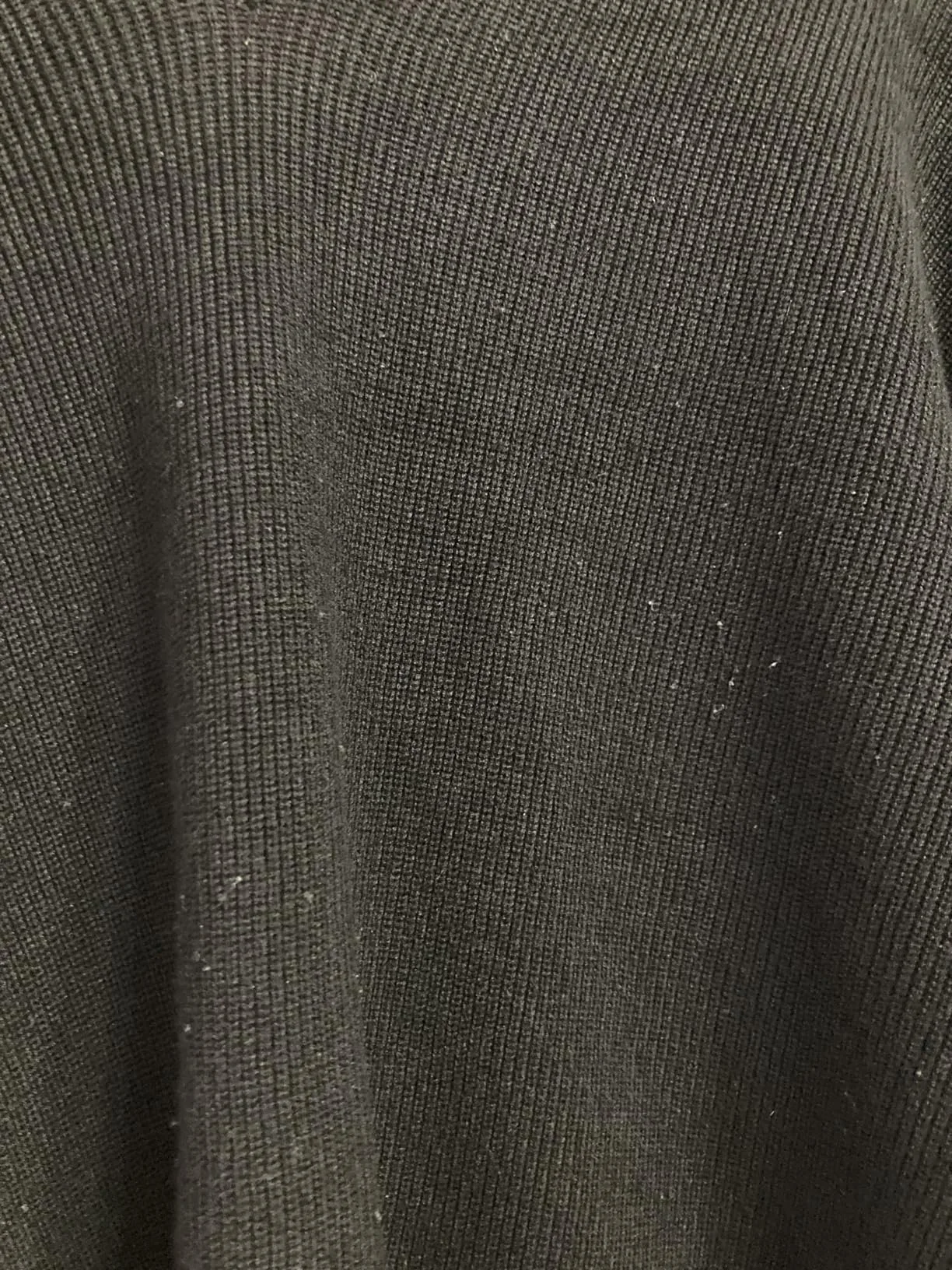
The available material guidance points to two separate requirements. A knit needs enough stretch content—around 10% spandex—to recover after repeated movement, while the elastic should be securely stitched into the waistband so it cannot freely flip and travel inside the casing.
For OFH-AUDIT-1TW4, the reported combination of a sagging knit, rapid snagging, and an unsecured elastic creates a simple problem: the pants may lose their shape before the buyer has had enough wear to justify the purchase. Current feedback suggests caution with this product if you want loungewear that stays smooth, stable, and presentable through a full day.
CONCLUSION
For lounge pants, the first signs of trouble are often found in the parts that must move, stretch, and survive washing. Check the crotch and inner-leg seams for loose threads before wearing. Look closely at buttons instead of assuming they are firmly attached. If the fabric has no clear information about shrinkage, be careful with the first wash, especially when the original length already fits closely.
The waistband also deserves more attention than many buyers give it. Elastic that twists or shifts inside the casing can become uncomfortable quickly, while a lightweight knit that snags easily may lose its neat appearance after very little wear.
A careful purchase is not just about finding the softest fabric. It is about checking whether the garment looks ready to handle the ordinary things you expect to do in it.
THE ULTIMATE BUYING VERDICT
| Verdict | Key Consideration | Recommendation |
|---|---|---|
| 🔴 Significant concerns | Seams that split early, heavy first-wash shrinkage, failing buttons, rapid snagging, and twisting elastic can make lounge pants unwearable after minimal use | Avoid products showing several of these problems, especially if you want pants for frequent wear and washing |
| 🟡 Acceptable with limitations | Lightweight knits and fabrics with possible shrinkage may still work when the fit has extra room and the garment is handled carefully | Accept these limitations only if you are comfortable with gentle use, cautious washing, and some possible changes in fit or appearance |
| 🟢 Meets long-term expectations | Secure seams, firmly attached buttons, stable fabric, good stretch recovery, and elastic that stays flat support better everyday durability | Look for lounge pants that remain comfortable after movement and washing without major shrinkage, twisting, or rapid fabric damage |