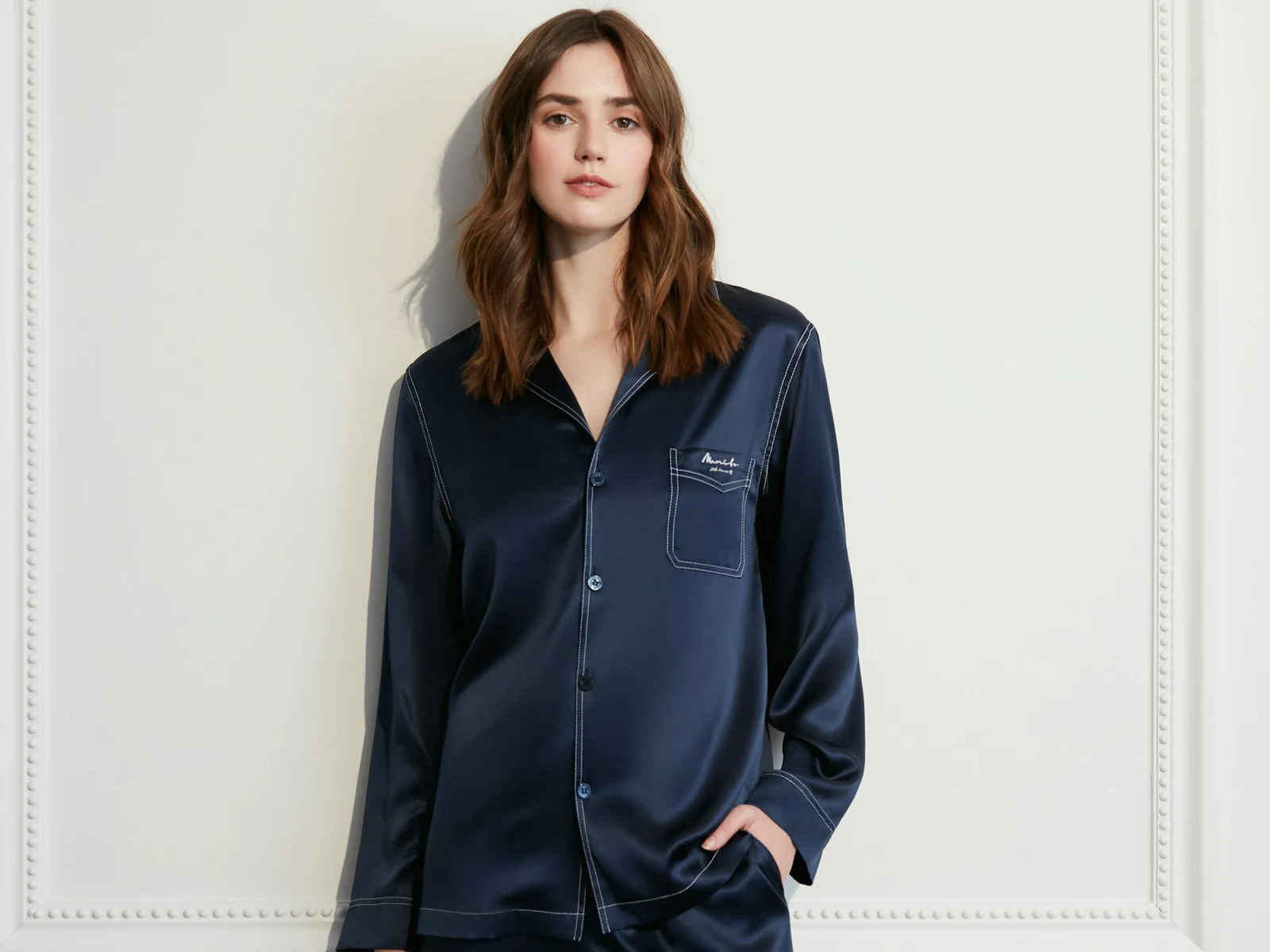
A pajama set can look polished online and still disappoint the first night you wear it. The shine may suggest silk, yet the label can reveal mostly polyester. A new set may feel smooth on the outside but rough or plasticky against the skin. Dark pajamas can stain pale sheets, and lightweight fabric can become far too see-through under normal room lighting. In some reported cases, new sleepwear also caused itching, red welts, or kept a strong chemical smell even after washing.
These problems are easy to miss when shopping from product photos alone. The better approach is to check what the garment is actually made of, how it feels on both sides, how it behaves after washing, and whether it provides enough coverage for everyday wear. A careful buyer should judge the fabric and real-world behavior rather than relying on words such as "silky," "soft," or "premium."
DEFECT AUDIT OVERVIEW
| Product Area | Common Problems | Why It Matters |
|---|---|---|
| Fabric composition and feel | Synthetic satin marketed with silk or satin language; waxy, rough, or plasticky feel | A shiny appearance does not confirm real silk or the feel expected from luxury sleepwear |
| Skin comfort and odor | Itching, red welts, skin irritation, or a strong chemical smell that remains after washing | Sleepwear stays close to the body for long periods, so persistent discomfort or odor can make the garment unsuitable for regular use |
| Color and coverage | Black dye transfers onto pale surfaces; light fabric becomes extremely see-through | Dye can stain bedding or furniture, while poor coverage can make a soft pajama set impractical for everyday home wear |
How Synthetic Satin Compares to Real Silk in Daily Wear and Texture
A glossy finish can make two very different fabrics look nearly identical at first glance. The difference usually shows up once the pajamas are worn, washed, or touched against bare skin.
Synthetic satin may look expensive without being silk at all. Among the reviewed consumer evidence cases, OFH-AUDIT-VS6D and OFH-AUDIT-Y7Z8 were marketed with "Silk" or "Satin" language, while the listed material in one case was 95% polyester with 5% spandex. That gap matters because a shiny surface is not the same thing as the feel, drape, or everyday experience people expect from real silk. luxury pajamas +1
The tactile complaints were even more revealing. One polyester garment was described as having a waxy feel, while another appeared soft on the outside but felt rough and plasticky against the inside of the garment. luxury pajamas
That is where daily wear exposes the difference. Real luxury silk pajamas should not depend on a camera-friendly shine to create the impression of quality. A higher-grade silk standard in the supplied material points to 19-momme Mulberry silk, while Extra-Long Staple fibers are associated with a soft, durable feel. In practical terms, the luxury claim should be supported by what the fabric actually is—not by a product title that leaves shoppers guessing. luxury pajamas
🔎 Turn the garment over before buying or keeping it
Check the fiber label first, then touch both sides of the fabric. If the title says silk but the label tells a different story, or if the inside feels scratchy while the outside only looks smooth, the garment may deliver a very different experience from the one the listing suggests.
For shoppers comparing synthetic satin with real silk, composition is more useful than shine. The reviewed feedback shows that some products can look polished in photos while feeling cheap, waxy, or abrasive in actual wear. That does not mean every synthetic satin pajama is poor quality, but when a premium price depends on the promise of silk, the label deserves a closer look.

Why Unwashed Sleepwear Fabric Can Trigger Skin Welts and Itching
Fresh out of the package does not always mean ready to wear. For people with sensitive skin, the first night in a new pajama set can turn into intense itching, red welts, or a burning sensation—the opposite of the comfort sleepwear is supposed to provide.
The feedback tied to OFH-AUDIT-D11K and OFH-AUDIT-G2QR included reports of itching, red welts, and skin irritation after wear. In one reported group, multiple teenagers experienced red, raised areas and discomfort, making this more than a simple complaint about fabric feeling rough. luxury pajamas +1
For sensitive skin, an unwashed garment is not the best place to take chances. Residue from dyes or finishing treatments can remain in new fabric, and the supplied evidence specifically connects these consumer evidence cases with complaints of itching, welts, and heat-like discomfort.
🧼 Wash the inside surface before the first night
Before wearing new sleepwear, check the care label and wash it as directed. If the fabric still causes itching, stinging, or raised red patches after washing, stop wearing that garment rather than assuming the irritation will disappear with more use.
Certification can also help narrow the risk. The supplied quality standard identifies OEKO-TEX Standard 100 as a certification for products intended to avoid harmful substances and better suit sensitive skin. It is not a guarantee that every wearer will react the same way, but it gives sensitive-skin shoppers a clearer screening point than relying on words like "soft," "silky," or "skin-friendly" in a product listing. luxury pajamas
The practical takeaway is simple: wash new sleepwear before wearing it, and check for a meaningful safety certification when skin sensitivity is a concern. The feedback from these consumer evidence cases suggests that comfort claims alone did not prevent real users from experiencing welts and irritation, so a cautious first wash is a small step that may prevent an expensive pajama set from becoming an immediate return.
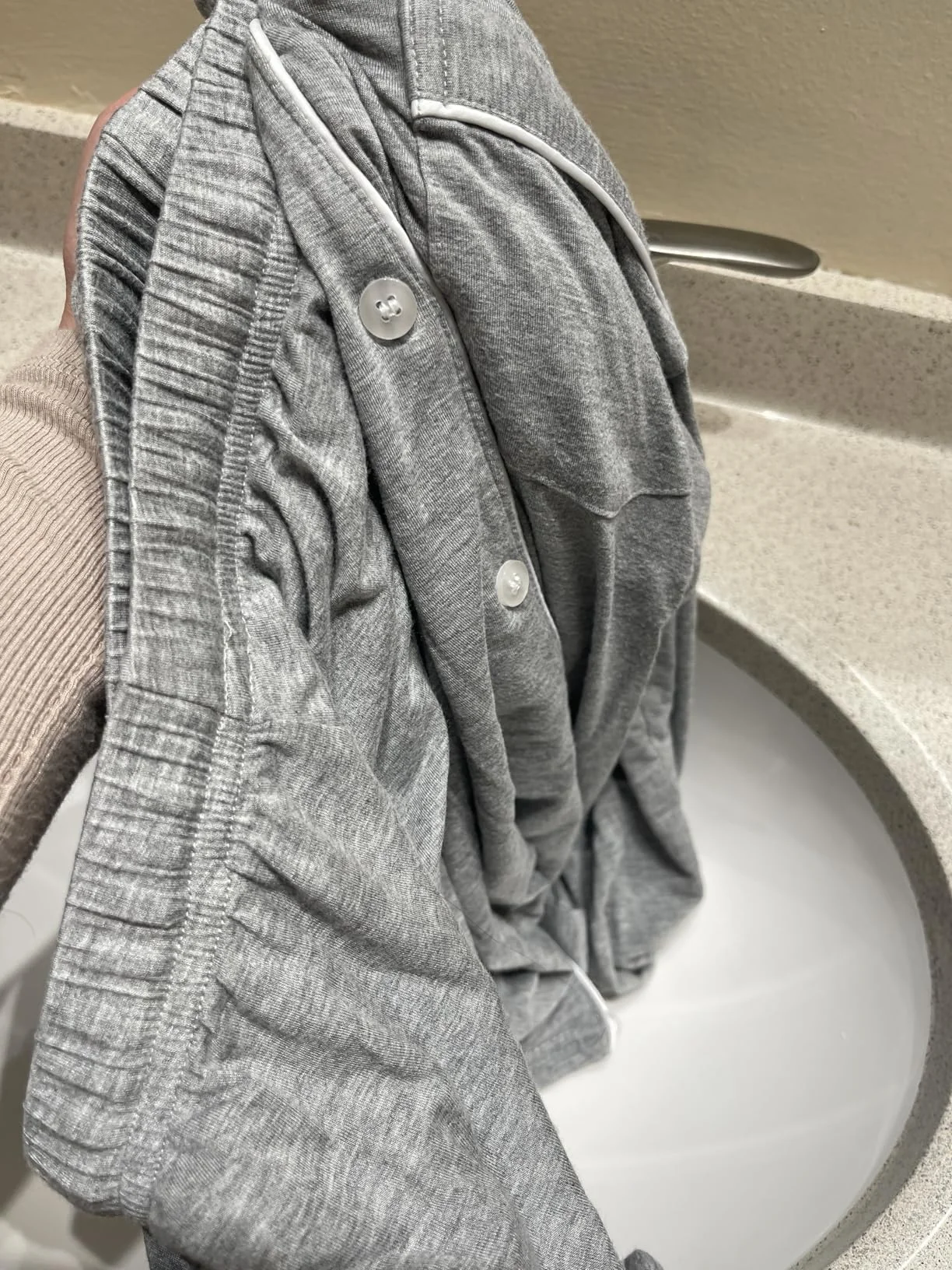
Formaldehyde and VOC Testing: What Off-Gassing Smells Mean for Indoor Air Safety
A strong chemical smell from new sleepwear is easy to dismiss as a normal "new product" odor. But when the smell survives washing, the assumption that one rinse automatically makes the garment ready to wear becomes much harder to defend.
The reviewed record for OFH-AUDIT-Y7Z8 included a strong unpleasant odor on arrival and reported measurements of 30 ppm formaldehyde and 131 ppm VOCs after washing. In other words, the concern in that consumer evidence case was not limited to opening the package and disliking the smell; the reported readings were still present after the garment had been washed. luxury pajamas
That distinction matters for indoor use. Sleepwear is stored in bedrooms, worn close to the body, and often kept near bedding and other fabrics. If a garment continues to release a noticeable chemical odor after washing, "just wash it and wear it" is not a reliable quality check.
👃 Smell the fabric again after washing
Wash the garment exactly as its care label directs, let it dry fully, then smell it in fresh air before bringing it into regular use. A persistent sharp or chemical odor is a reason to pause and reconsider the item rather than covering the smell with fragrance or assuming another night of wear will solve the problem.
The supplied material also points to OEKO-TEX Standard 100 as a screening standard for products intended to limit harmful substances. That kind of certification gives shoppers a clearer reference point than vague claims such as "fresh," "soft," or "premium quality," especially when the fabric is meant for long hours of close contact. luxury pajamas
A persistent odor does not identify a specific substance by smell alone, but the reported OFH-AUDIT-Y7Z8 measurements show why washing should not be treated as a universal reset button. When a garment still smells strongly after proper washing, or when reliable product information raises questions about what remains in the fabric, cautious shoppers may want to stop wearing that specific item rather than simply hoping the next wash will make the problem disappear.
Preventing Persistent Black Dye Transfer on Leather and White Bedding
Black pajamas can look elegant right up until they touch something you actually care about. The problem is not ordinary fading after months of wear. In the reported cases, color transferred directly onto light-colored bedding and a white leather chair, leaving the owner dealing with the pajamas and the damaged surface at the same time. luxury pajamas +1
OFH-AUDIT-Y7Z8 is the clearest warning. Reviewers reported persistent black dye transfer even after repeated washing, including staining on a white leather chair. OFH-AUDIT-VS6D also drew complaints about dye bleeding onto sheets and other fabrics before and after washing.
The expensive part of this failure is that the pajamas are not always the only thing you may need to replace. White bedding, pale upholstery, and leather can show dark transfer immediately, and the supplied feedback describes cases where ordinary cleaning did not solve the problem.
🖐️ Press the dark fabric against a white cloth first
Before wearing dark new sleepwear on pale sheets or sitting on light furniture, dampen a small white cloth and press it firmly against an inside area of the garment. If black color comes off onto the cloth, keep the pajamas away from white bedding, leather, and other light surfaces until you are confident the excess dye has stopped transferring.
Repeated washing is not always a guarantee. The supplied records include complaints of continued bleeding after washing, which means shoppers should judge the garment by what actually transfers—not by how many times it has already been through the laundry.
The current evidence does not provide a color-fastness grade for these consumer evidence cases, so it cannot establish how broadly the problem applies beyond the reported items. But for OFH-AUDIT-VS6D and OFH-AUDIT-Y7Z8, the feedback gives dark sleepwear buyers a straightforward rule: test for transfer before letting new black fabric near white sheets or expensive light-colored furniture.
Checking Fabric Weight and Opacity in Light Soft Pajamas Before Buying
Thin fabric is often marketed as soft, light, and comfortable—but thin is not automatically better. For everyday sleepwear, softness and opacity need to work together. A pajama set that feels pleasant in your hand but becomes nearly transparent once worn may not provide the comfort or privacy expected for regular home use.
The consumer evidence for OFH-AUDIT-D11K and OFH-AUDIT-G2QR included repeated complaints that the fabric was "completely see through" or "extremely see through," including in darker and patterned versions. That is a useful reminder for anyone shopping for luxury soft pajamas for women: surface softness tells you very little about how the garment will perform when stretched over the body or placed under normal indoor light. luxury pajamas +1
Fabric weight can influence how substantial a garment feels, while a tighter weave can help limit how much light passes through it. But neither quality should be reduced to a single number on a product page. A light pajama can still provide reasonable coverage, while an overly thin one can become see-through the moment it moves or stretches.
Before buying, look closely at customer photos taken in ordinary lighting rather than relying only on polished product images. Check whether reviewers mention transparency after washing, under indoor lights, or when the fabric is stretched across the hips, thighs, or back.
For everyday loungewear, the goal is not the thickest fabric possible. It is enough substance to stay comfortable without turning into a privacy problem. The feedback linked to these consumer evidence cases shows why "lightweight" and "soft" should not be treated as proof of quality when the actual garment may offer almost no coverage.
CONCLUSION
The safest way to shop for luxury pajamas is to slow down before treating a polished product page as proof of quality. Start with the fiber label. If a listing suggests silk but the actual composition says mostly polyester, the difference should be clear before purchase. Touch both sides of the fabric when possible, because a smooth outer surface can hide a rough or plasticky inside.
For new sleepwear, washing before the first wear is a sensible habit, especially when skin comfort matters. After washing, check again for irritation, unusual odor, dye transfer, and transparency. Dark garments deserve extra caution around white bedding and light furniture, while very thin fabrics should be checked under ordinary indoor lighting.
The strongest purchase is not simply the softest or shiniest one. It is the garment whose material, comfort, color behavior, and coverage match what you actually need from sleepwear.
THE ULTIMATE BUYING VERDICT
| Verdict | Key Consideration | Recommendation |
|---|---|---|
| 🔴 Significant concerns | Misleading material language, persistent irritation or chemical odor, continued dye transfer, or extremely see-through fabric | Avoid products showing these problems, especially when the garment is sold as premium sleepwear |
| 🟡 Acceptable with limitations | Synthetic satin may still look polished, while lightweight fabric may feel comfortable if coverage is adequate and the garment performs well after washing | Check the fiber label, touch both sides, test dark colors before use, and inspect coverage under normal lighting |
| 🟢 Meets long-term expectations | Clear fiber labeling, comfortable fabric on both sides, no persistent odor or irritation after proper washing, stable color, and adequate coverage | Prioritize products whose actual material and everyday behavior support the quality promised by the listing |