
You order a cardigan in your usual size, then open the package and find that it is too small, too short, badly wrinkled, or shaped nothing like the photo. In some cases, even ordering the same size in a different color can lead to a completely different fit. The problems can continue before the cardigan ever reaches your closet: deep vacuum-package creases may not come out, while strong odors, hair, stains, or missing tags can make a new item feel questionable from the start.
These issues are frustrating because they are not always obvious from the product listing. A size label cannot guarantee actual room, and a polished photo cannot tell you how the fabric will drape after shipping. Before buying, it helps to look beyond the stated size and style and pay closer attention to measurements, fabric behavior, packaging, and return policies.
Plus-Size and Oversized Fit Problems: Why Sizing Runs Small Across Different Colorways
A plus size cardigan should not become a sizing lottery simply because you chose a different color. Yet that is exactly where sizing consistency can break down for some styles.
One Large was reported as genuinely oversized, while another Large from the same product fit normally. That inconsistency appears in the evidence behind OFH-AUDIT-G3TX. For shoppers buying an oversized cardigan sweater, the label alone may tell you very little about what will actually arrive.
The problem gets more serious as sizes increase. OFH-AUDIT-BMWF was labeled XXL, yet the reported fit was so small that it could not properly wrap around the body. In OFH-AUDIT-FL4Z, larger sizes were also reported as too small, with one Large unable to close around the torso.
This is the size-gap problem that standard size charts often hide: the jump from one size to the next may not match the actual garment at all.
The most revealing example remains the two Large units linked to OFH-AUDIT-G3TX. Same listed size, completely different amount of room. One was huge; the other fit as expected. That is not a minor preference issue between relaxed and fitted styling. It means the label may stay the same while the finished garment changes.
Colorways can make this even more confusing. A shopper may assume that reordering the same size in another color is a safe choice, only to discover that the new cardigan feels like a different size entirely. For plus-size shoppers, that can mean a cardigan that was supposed to layer comfortably will not close, drape, or provide the coverage expected from the listing.
The practical consequence is simple: "oversized" and "XXL" are only useful when the finished measurements stay consistent. When one order runs large and another runs small, shoppers are left paying for the return trip—or keeping a cardigan that never fit the way the label promised.
That makes detailed garment measurements more valuable than the size letter itself, especially when buying the same style in multiple colors.
Cropped vs Duster Cardigans: How Thin Fabrics and Stiff Boxy Cuts Distort the Intended Fit
A cropped cardigan sweater is supposed to create a deliberate proportion. A long cardigan sweater is supposed to lengthen the silhouette. Both can fail when the actual garment does not match the cut, length, or structure shown online.
The evidence behind OFH-AUDIT-KKRX points to a cropped style arriving with a noticeably shorter length and a stiff, boxy shape that added unwanted visual bulk. Instead of falling around the body, the cardigan held its own rectangular outline—turning an intended relaxed fit into a shape that looked more like a box than an oversized layer.
That difference matters because oversized does not simply mean "make every panel wider." A loose cardigan still needs shape. When a cheap straight cut is pushed into an oversized design without enough attention to how the garment hangs, the result can feel stiff and visually heavy rather than relaxed.
The length problem can distort the intended silhouette even further. A cropped cardigan that comes up shorter than expected changes the whole balance of the outfit. High-waisted jeans, dresses, and layered tops can suddenly sit at the wrong visual point, leaving the wearer with a proportion that looks nothing like the product photo.
OFH-AUDIT-BMWF reflected a different version of the same problem: the cardigan was reported as being as thin as a shirt despite being presented as a sweater, with an appearance that looked very different from the listing. Thin fabric can change how a garment hangs, causing an intended long or relaxed shape to lose the presence and drape shoppers expected.
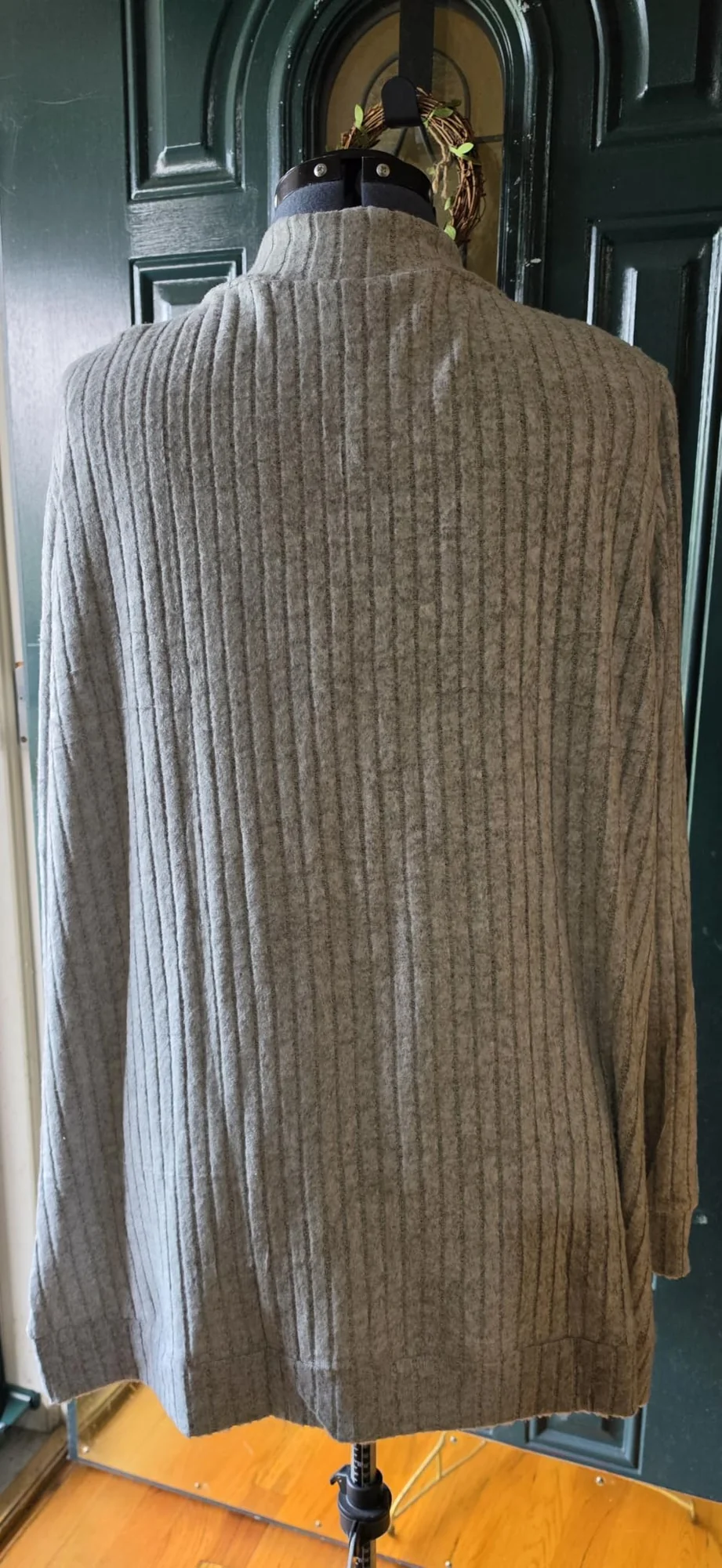
That is why product photos alone are not enough when comparing cropped and longer styles. A flattering oversized cut depends on how the garment falls, not just on a larger-looking outline in the listing.
When the real piece arrives too short, too thin, or too stiff, the intended silhouette can collapse completely. The feedback tied to these cases suggests that shoppers should treat dramatic photo-based proportions with caution, especially when the listing provides limited detail about the garment's actual length and fit.
Why Vacuum-Compressed Packaging Leaves Deep, Permanent Wrinkles in Synthetic Knitwear
Vacuum packaging can save shipping space, but it can also leave a synthetic cardigan looking as though someone folded it under a stack of books and forgot about it.
The problem reported for OFH-AUDIT-KKRX was not ordinary wrinkling. Deep creases remained after washing, steaming, and ironing, and some compressed areas appeared visibly different in color from the surrounding fabric. In OFH-AUDIT-BMWF, severe wrinkles from vacuum packaging were also reported as difficult to reverse.
With synthetic knitwear, prolonged pressure can encourage a crease to settle into the fabric rather than simply disappear after unpacking. Changes in temperature and moisture during storage and shipping can make that flattened shape harder to release, leaving the garment with folds that keep returning to the same compressed position.
The visual damage can be worse when the crease itself begins to look lighter or darker than the rest of the cardigan. At that point, the issue is no longer just a wrinkle that needs a quick steam. The compressed line becomes part of the garment's visible appearance.
That is especially frustrating because the damage may already be present before the first wear. A buyer can unpack a brand-new cardigan, try the recommended fixes, and still end up with deep lines running across the fabric.
OFH-AUDIT-KKRX is a useful warning sign because the reported damage extended beyond stubborn folds to noticeable color changes along the crease lines. When heavy compression is used to shrink packaging volume, the garment itself can become the thing paying the price.
For synthetic knits that arrive with severe vacuum creases, repeated washing, steaming, or ironing may not restore the original smooth appearance. If the folds remain deeply set or visibly alter the surface, the cardigan may never look the way it did in the product photos.
Odor Warnings and Missing Tags: How to Spot Returned or Poorly Stored Knitwear
A strong odor is bad enough. Finding hair, body odor, stains, and used paper inside a pocket is something else entirely.
The evidence linked to OFH-AUDIT-L4HF describes an exceptionally poor unboxing experience: a foul odor, human and animal hair, lingering body odor, and a used tissue inside the pocket. The garment's tag had also been removed and was reportedly found loose in the packaging.
That combination raises an obvious concern about whether the item had been properly checked before being sent out again. A missing tag by itself does not prove previous use, but when it appears alongside hair, odor, and material left inside a pocket, the condition is difficult to dismiss as ordinary new-item packaging.
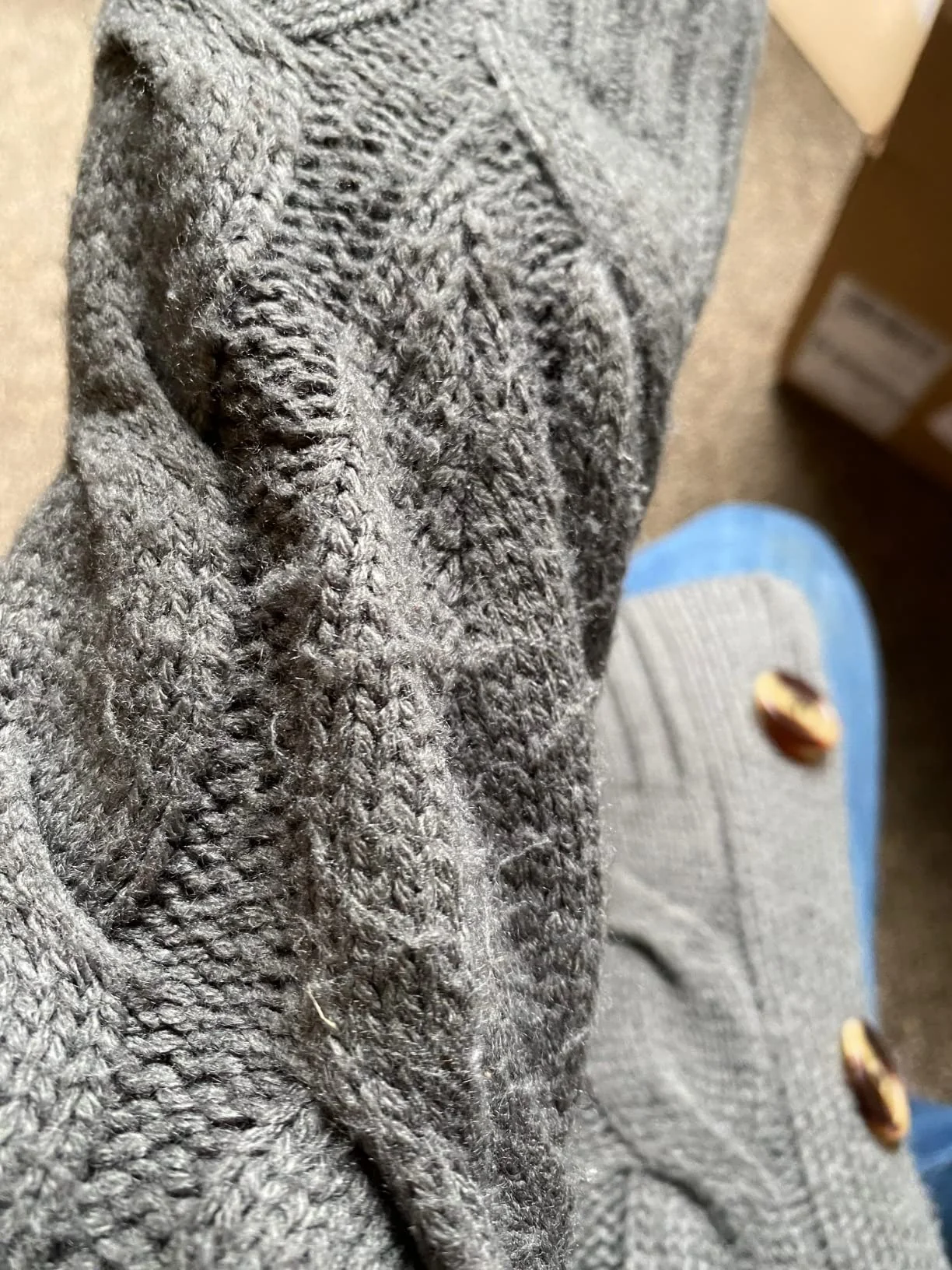
OFH-AUDIT-X8B78 points to another warning sign: a strong unpleasant smell and unexplained pink residue on a black cardigan. Buyers should not have to guess whether a visible mark came from storage, handling, or a previous customer.
For sensitive shoppers, odor also creates a practical problem. A chemical smell or stale body odor can make a new knitwear purchase immediately unpleasant to wear, while washing may be an inconvenient first step for an item that should have arrived clean and ready to use.
If a cardigan arrives with hair, stains, unusual odor, or a removed tag, stop treating the condition as a minor cosmetic issue. Check the pockets, inner folds, and packaging before wearing it, and document anything that appears inconsistent with a new garment.
The quality baseline is simple: a new item should arrive clean, free from obvious residue, and without signs that basic handling or repackaging checks were missed. The reports tied to these cases show why unusual odors and missing tags deserve attention before the return window starts ticking.
CONCLUSION
A good cardigan should not be a gamble based on size labels or product photos alone. The safest approach is to check the actual garment measurements, especially when buying oversized or plus-size styles. If you are choosing between colors, remember that the same listed size may not always fit the same way.
Look carefully at fabric thickness and how the cardigan is expected to drape. A cropped style can look very different if it arrives shorter than expected, while a thin or stiff fabric can ruin the relaxed shape shown online. Also consider how the item is packaged. Severe compression can leave marks that may not disappear after normal care.
Finally, inspect a new cardigan before wearing it. Check the tag, pockets, folds, and surface for odor, hair, stains, or other signs of poor handling. Detailed measurements, clear product information, and a reasonable return policy matter more than a promising size label.
THE ULTIMATE BUYING VERDICT
| Verdict | Key Consideration | Recommendation |
|---|---|---|
| 🔴 Significant concerns | Major size differences, badly distorted shape, permanent-looking vacuum creases, strong odors, hair, stains, or missing tags can leave the cardigan far below expectations. | Return or avoid the item when the fit is clearly inconsistent, the condition looks poor, or deep creases and surface problems remain after reasonable care. |
| 🟡 Acceptable with limitations | Some oversized, cropped, or thin cardigans may still work, but the final fit and drape can differ from the listing. | Consider these styles only after checking actual measurements, fabric details, and the return policy, especially when buying a new colorway. |
| 🟢 Meets long-term expectations | Consistent sizing, accurate length, comfortable drape, smooth fabric, and clean new-item condition support a better purchase. | Look for clear garment measurements, reliable fit information, realistic product photos, and packaging that does not leave lasting damage. |